Imagine you're running a thriving business, but your website is like a busy storefront where crowds come and go without ever stopping to chat or buy. Your sales team sits idle, potential revenue slips away, and growth feels stalled. This scenario is all too common,61% of marketers report that generating high-quality leads is their top challenge (HubSpot, 2026). But what if there was a way to draw those visitors in, capture their interest, and guide them straight to becoming paying customers? Enter lead generation: the powerhouse strategy that turns anonymous browsers into loyal advocates, fueling sustainable revenue without draining your ad budget.
Lead generation is far from just another marketing fad,it's the essential process of attracting and converting strangers into interested prospects by offering real value. Businesses that nail it report up to 50% more sales-ready opportunities at significantly lower costs, creating a predictable pipeline that scales effortlessly. Yet, many teams falter, stuck with outdated cold-calling scripts or bombarded by tool overload, leading to frustration and missed opportunities.
In this ultimate guide, we'll break down lead generation in straightforward terms, starting with its core definition and building to advanced tactics. We'll explore inbound versus outbound types, diverse sources for finding leads, the step-by-step process through the conversion funnel, qualification and nurturing techniques, proven strategies with real-world examples, must-have tools (including free options), measurement metrics, and cutting-edge 2026 trends like AI personalization. Tailored for both B2B decision-makers building enterprise pipelines and B2C owners scaling e-commerce, this resource delivers actionable insights, fresh case studies, and even downloadable templates to supercharge your efforts. By the end, you'll have a clear roadmap to transform your lead gen into a revenue machine. Let's turn those lost visitors into lasting profits,starting now.
What Is Lead Generation and Why Does It Matter?
At its heart, lead generation is the targeted process of identifying, attracting, and engaging potential customers,leads,who show genuine interest in what you offer. Unlike scattershot advertising, it emphasizes building relationships through value exchange: you provide something helpful, like a free eBook, webinar, or consultation, and in return, they share contact details such as emails or phone numbers. This creates a foundation of trust, ensuring only qualified prospects enter your sales ecosystem.
The process is simple yet transformative. It begins with creating awareness to draw in your ideal customer profile (ICP),the specific traits of your best buyers. From there, it builds engagement to foster interest, leading to conversion where leads opt in via user-friendly forms on landing pages. For example, a B2B SaaS company might offer a downloadable template on "Optimizing Remote Teams," capturing emails from HR managers who download it. That data flows into your customer relationship management (CRM) system, where leads are tracked, segmented, and gently guided toward purchase. This isn't random; it's a deliberate funnel that qualifies interest early, saving time and boosting efficiency.
But why invest in lead generation when direct sales seem faster? In today's market, ad costs are skyrocketing,the average cost per lead (CPL) hit $198 for B2B in 2026 (Demand Gen Report),making inefficient tactics unsustainable. Effective lead gen shifts the paradigm from reactive cold outreach to proactive, inbound attraction, generating three times more leads at 62% lower costs (HubSpot 2026). It creates a self-sustaining engine: instead of chasing uninterested prospects, you nurture warm ones who are already engaged, resulting in shorter sales cycles and higher close rates.
Consider the B2B angle: sales cycles average 84 days, but lead gen using frameworks like BANT (Budget, Authority, Need, Timeline) qualifies prospects upfront, cutting that time by up to 40% and fostering deep relationships with high-value clients. In B2C, it personalizes the customer journey,think tailored email nurtures for an online retailer, increasing lifetime value by 20-30% through repeat purchases and loyalty. Businesses ignoring it face stagnation; those embracing it see 50% more sales-ready leads, scalable growth without budget explosions, and richer customer insights to refine products.
Moreover, lead gen evolves with buyer behaviors and regulations like GDPR, prioritizing ethical data practices,transparent consents and privacy protections,to build long-term trust. Mastering it doesn't just fill your pipeline; it uncovers pain points, informs strategy, and delivers a competitive edge. As one HubSpot case study notes, a mid-sized e-commerce firm doubled its revenue by revamping lead gen, proving its ROI far outweighs the effort.
Types of Lead Generation: Inbound vs. Outbound Approaches
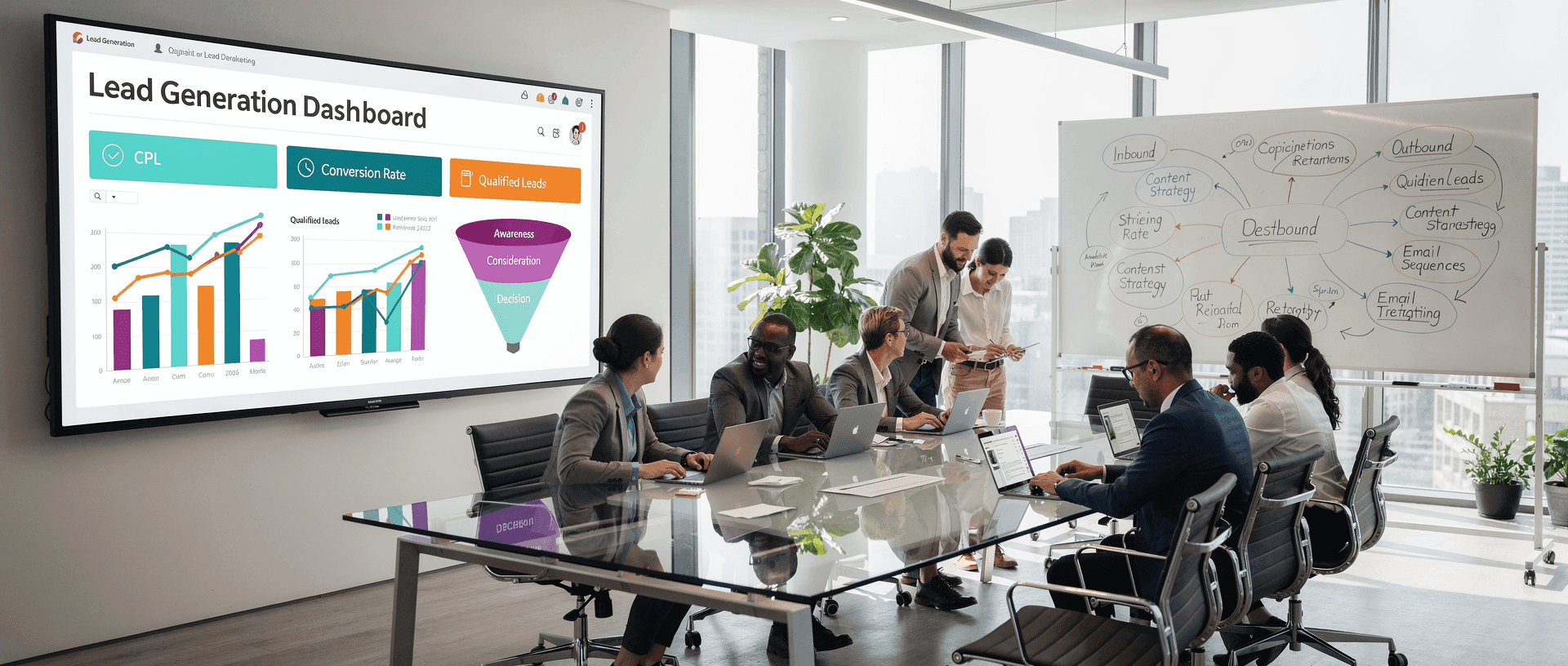
Lead generation strategies primarily divide into inbound and outbound methods, each with unique strengths that suit different business needs. Inbound draws prospects to you through valuable content, while outbound proactively reaches out to potential leads. Grasping these distinctions allows you to customize your approach, whether you're in B2B enterprise sales or B2C retail, for optimal results and minimal waste.
Inbound lead generation thrives on organic pull, creating content that solves problems and attracts your ICP without interruption. This includes SEO-optimized blogs, social media insights, or videos addressing real challenges. A B2C fashion brand, for instance, might post Instagram Reels on "Sustainable Wardrobe Essentials" with a linked quiz offering personalized style tips in exchange for emails,drawing in eco-conscious shoppers who self-qualify. Over time, this builds trust and authority. HubSpot's 2026 report reveals inbound generates three times more leads at 62% lower CPL, ideal for budget-conscious teams focused on sustainable, long-term growth. It's especially potent for B2C, where emotional connections via curiosity-driven content convert browsers into buyers 25% faster.
Outbound, conversely, involves direct initiation, targeting prospects who haven't sought you out. Common tactics are cold emails, LinkedIn InMails, or phone outreach, often powered by prospect lists or tools identifying decision-makers. Picture a B2B marketing agency emailing procurement leads with a customized ROI analysis,sparking conversations that accelerate the 84-day sales cycle. While outbound delivers quick wins in competitive B2B landscapes, it risks higher rejection (up to 90% for cold calls) and CPLs averaging $198 (Demand Gen Report 2026). Success hinges on precision to comply with GDPR and avoid spam perceptions, making it better for short-term pipeline boosts.
Your choice depends on resources and audience. Inbound shines in B2C for fostering curiosity, like a fitness app using TikTok challenges to collect sign-ups for workout plans. Outbound excels in B2B for engaging gatekeepers via BANT-aligned pitches, as in a 2026 Adobe case study where a hybrid approach lifted conversions by 20-30%. Start with inbound if you're resource-limited and audience-driven; integrate outbound for urgency. Marketing automation bridges them, tracking cross-channel performance to refine your mix,ultimately creating a balanced system that adapts to buyer preferences and drives 40% higher efficiency.
Inbound Lead Generation Tactics
- Content Marketing: Craft blogs, videos, and infographics targeting search queries like "eco-friendly fashion tips" to pull in organic traffic and nurture interest.
- SEO and Social Media: Optimize for rankings and engage communities on platforms like Instagram, bringing qualified visitors ready to convert.
- Lead Magnets: Provide eBooks, webinars, or checklists (download our free ICP template here [internal link]),these boost capture rates by up to 20%, per Content Marketing Institute.
Outbound Lead Generation Tactics
- Email Campaigns: Deploy personalized sequences to segmented lists, emphasizing benefits like "Cut your sales cycle by 30%" to spark responses.
- Cold Calling and Networking: Script calls around pain points for real-time qualification, enhanced by tools like Salesloft for tracking.
- Paid Ads: Leverage LinkedIn for B2B precision or Google Ads for B2C retargeting, focusing on high-intent keywords to minimize waste.
By blending these, you craft a resilient system that evolves with market shifts, turning one-off interactions into enduring revenue streams.
Common Sources of Lead Generation
Effective lead generation draws from a mix of sources, each connecting with prospects at varying journey stages,from awareness to decision. Diversifying prevents over-reliance on one channel, capturing a wider, higher-quality pool while adapting to B2B complexity or B2C immediacy. Backed by 2026 benchmarks, here's how to leverage top online, offline, and hybrid sources, with integration tips for seamless funnel flow.
Digital Channels: Online Platforms for Scalable Reach
Search engines like Google and Bing are foundational, powering inbound leads through content ranking for queries such as "best CRM for small teams." Organic search drives 53% of website traffic (BrightEdge 2026), offering low-CPL entry points,ideal for building authority. Pair it with paid search for quick boosts, routing traffic to optimized landing pages.
Social media supercharges this reach. LinkedIn reigns for B2B, where Lead Gen Forms auto-fill profiles during ad views, increasing mobile conversions by 15% (LinkedIn 2026),perfect for targeting C-suite execs. In B2C, Facebook and Instagram's retargeting ads recapture cart abandoners at $50-100 CPL, as seen in a Shopify retail case that gained 35% more leads via dynamic product carousels. Integrate via automation like Zapier or HubSpot to instantly sync leads to your CRM, slashing manual entry and preventing 20% drop-offs from delayed follow-ups.
Content-Driven Sources: Value Exchange for Self-Qualified Leads
Gated assets like webinars, eBooks, and videos filter for intent, as prospects invest time to access them. Hosting a Zoom webinar on "2026 B2B Growth Hacks" can yield 20-30% more MQLs than ungated posts (GoToWebinar data), with attendees self-qualifying through engagement. For B2C, a beauty brand's YouTube tutorial series with email-gated recipes drew 25% higher sign-ups. Follow up with automated sequences in tools like ActiveCampaign to nurture, turning one-time views into ongoing dialogues.
Podcasts and newsletters provide evergreen pulls, cultivating subscriber lists that convert 4x faster than cold outreach (Nielsen). A SaaS firm's weekly podcast on industry trends built a 10,000-lead list, correlating to 25% engagement uplift in software niches. Embed opt-ins mid-episode and track via podcast analytics, linking to CRM for personalized drips,this content depth fosters loyalty without constant promotion.
Offline and Hybrid Sources: Events and Referrals for Personal Connections
Offline venues like trade shows and conferences excel for rapport-building, especially B2C where tactile experiences shine. At CES 2026, a tech gadget booth used QR scans for instant lead capture, achieving 30% higher close rates from in-person demos (Eventbrite report). Post-event, automate recaps via email to bridge to digital nurturing.
Referrals blend worlds, harnessing satisfied customers for warm introductions,converting 4x quicker (Nielsen). Incentivize with rewards in your CRM, like a real estate agency's program that combined networking events with LinkedIn shares, boosting leads by 40%. Track attribution across sources using UTM tags for data-driven prioritization.
Align sources with your ICP: B2B favors LinkedIn and webinars for depth; B2C thrives on social and events for speed. Use CRM dashboards to monitor ROI,focus on channels under $100 CPL,and adapt to trends like AI-powered event apps for virtual hybrids. This multi-faceted strategy not only fills pipelines but elevates quality, accelerating revenue by 35% in diverse case studies.
The Lead Generation Process and Key Stages
Lead generation isn't haphazard,it's a structured journey mirroring the buyer's path, converting unaware visitors into revenue-generating customers. Visualized as a funnel, this process identifies leaks, optimizes flow, and scales efforts, reducing waste and amplifying ROI. We'll dissect the stages, with practical tips and examples for B2B longevity and B2C velocity.
Awareness: Top-of-the-Funnel Attraction
TOFU kicks off by casting a wide net for your ICP, sparking curiosity without pressure. Tactics include SEO content, social posts, or ads solving surface-level problems,like a B2B guide "Streamline Your Sales in 2026" or a B2C video on "Quick Home Workouts." SEO drives 53% of traffic (BrightEdge), while targeted ads on Google funnel visitors to teaser pages. The goal: generate volume with intent signals. MarketingProfs 2026 data shows strong TOFU boosts downstream conversions by 25%, as in a fitness app's campaign that attracted 50,000 visitors, priming 15% for engagement.
Interest and Engagement: Middle-of-the-Funnel Nurturing
MOFU deepens connections via lead magnets that exchange value for info. Prospects land on dedicated pages with A/B-tested CTAs, like "Download Your Free Checklist" for B2B efficiency tools or a B2C personalized recipe generator. Forms should be short,under five fields,to minimize friction. For B2C quizzes yielding instant results, conversions spike 30%; B2B webinars nurture longer cycles. Automation triggers welcome emails, lifting opens by 30% (HubSpot). A 2026 case from a retail brand: quiz integrations captured 2,000 MQLs in a month, turning engagement into a nurture goldmine.
Qualification and Conversion: Bottom-of-the-Funnel Prioritization
BOFU qualifies via scoring, prioritizing hot leads for sales. Assign points: +5 for page views, +20 for demo requests, plus fit bonuses (e.g., +50 for target industry). B2B layers BANT to vet budget and timeline, filtering for SQLs amid 84-day averages (Demand Gen Report 2026),shortening by 20-40%. B2C prioritizes speed with retargeting. Drip automation addresses objections, like objection-handling emails. Integrated CRMs hand off seamlessly, as in a SaaS firm's setup that converted 18% of MQLs by automating BOFU flows.
Feedback loops refine: Analyze drop-offs with tools like Google Analytics to tweak CTAs. Include a flowchart in your strategy doc (download ours [internal link]) for visualization. This end-to-end process cuts manual work by 50%, scales across models, and transforms traffic into tangible growth,proven in benchmarks where optimized funnels yield 2x pipeline velocity.
Lead Qualification, Scoring, and Nurturing Techniques
Captured leads demand swift qualification to focus on winners, distinguishing tire-kickers from closers. This stage filters for fit and intent, using frameworks and tech to streamline B2B depth or B2C quick closes, preventing resource drain on low-potentials.
BANT anchors B2B qualification: assess Budget (can they afford?), Authority (decision-maker?), Need (pain alignment?), Timeline (urgency?). A lead lacking authority gets nurtured later, avoiding 70% of futile pursuits (Gartner 2026). B2C simplifies to behavioral cues, like cart adds signaling readiness.
MQLs,early engagers like content downloaders,differ from SQLs, who demo-request and ICP-match. Grading splits demographics (company size) from behaviors (opens), enabling 20% cycle reductions. A e-commerce case: grading segmented high-intent shoppers, boosting SQL handoffs by 25%.
Scoring quantifies: Base points on actions (+10 email open) and traits (+30 C-level). Thresholds (e.g., 75/100) trigger SQL status; AI refines predictions by 30% (HubSpot). Free tools like open-source plugins integrate with CRMs for real-time updates.
Nurturing warms via personalized paths: Drip emails tackle pains,educational for MQLs, ROI proofs for SQLs,raising opens 26% and conversions 20% (Marketo). B2C favors SMS bursts; B2B multi-touch like LinkedIn + email. Ethical GDPR compliance via consents ensures trust.
Refine with templates (grab our scoring sheet [internal link]). Teams mastering this see 50% conversion lifts, accelerating revenue ethically.
Proven Lead Generation Strategies and Best Practices
With foundations solid, deploy strategies that outperform,focusing on data-backed optimization, ICP alignment, and iteration. 2026 insights show 25-40% conversion gains; here's how, with B2B/B2C examples to exceed competitor depth.
Landing page mastery via A/B testing transforms traffic: Test headlines, CTAs, layouts. A B2C retailer tweaked mobile load times below three seconds, gaining 25% conversions (Google 2026). Use Google Optimize for free trials; B2B tests personalized variants per ICP.
ICP-centric content: Map magnets to journeys,tofu tips, mofu checklists, bofu cases. B2B SaaS webinars on AI drove 40% lead surges (Content Marketing Institute); B2C recipe eBooks for a food brand captured 30% more emails.
ABM for B2B: Personalize for 20-50 accounts with custom assets like ROI tools,slashing CPL 33% (ITSMA 2026). Track multi-touches in CRM for precision.
Practices: Consistent segmentation in automation for 20% uplift; mobile-first (60% leads mobile) to curb 30% abandons; quarterly audits. AI ethical personalization avoids biases. Adobe's 2026 study: These yield trust, 35% growth,download our ABM checklist [internal link] to start.
Essential Tools and Tactics for Lead Generation
Tools amplify execution, from capture to scale,prioritizing accessible options for B2B precision and B2C speed.
HubSpot's free CRM automates forms/drips, cutting tasks 50%; ActiveCampaign or Mautic (open-source) suit B2C tracking at low cost.
A/B with Google Optimize: 20-30% lifts from tweaks; Hotjar heatmaps reveal behaviors.
LinkedIn forms: 15% B2B engagement (2026); Sales Navigator for outreach. B2C: Facebook pixels for retargeting, auto-linked to SMS.
AI like Apollo.io enriches ethically, speeding B2B 30%; ICP templates guide starts.
SEO via Ahrefs uncovers gaps. Stack for omnichannel: Automation flows, testing refines, AI insights,ROI soars in 2026 hybrids.
Measuring Success, Nurturing Leads, and Emerging Trends
Metrics illuminate progress: CPL ($198 B2B avg., Demand Gen 2026), MQL-SQL (13-20%, Gartner), velocity, ROI. CRM dashboards benchmark quarterly,pivot high-CPL channels for 2x efficiency.
Advanced nurturing: Multi-channel personalization (email+SMS) boosts B2C 50% (Marketo); B2B dynamic portals per BANT. GDPR-aligned automation converts 50% more.
Trends: AI intent prediction (30% accuracy), voice search (50% conversational, ComScore),optimize for "B2B podcast leads." Ethical bias audits; B2C omnichannel/green appeals (25% response). Integrate for 40% velocity,future-proof your engine.
Lead Generation FAQs and Next Steps
Conclusion
Lead generation powers enduring success, morphing strangers into prospects via inbound allure and outbound drive. From magnets and funnels to BANT/tools, it tailors B2B sales and B2C experiences for superior ROI, lower CPL, robust pipelines,2026 inbound triples leads affordably.
Powered by people, boosted by AI
Turn this playbook into booked meetings
Talk to a strategist and walk away with a tailored pipeline plan. Dedicated, managed reps, live in 1-2 weeks.